Atomic Owl is the debut title from Monster Theater, a Kickstarter-backed indie that successfully raised over $55,000 from more than 1,000 backers before launching on PC in 2025. A year later, it has now landed on consoles, and with a 92% positive rating on Steam already behind it, the question was never really whether it was good. The question was whether it was as good for someone coming in fresh as it was for the backers who followed it through development. After a few hours with it in roguelite mode, the answer is an obvious yes, with one caveat.
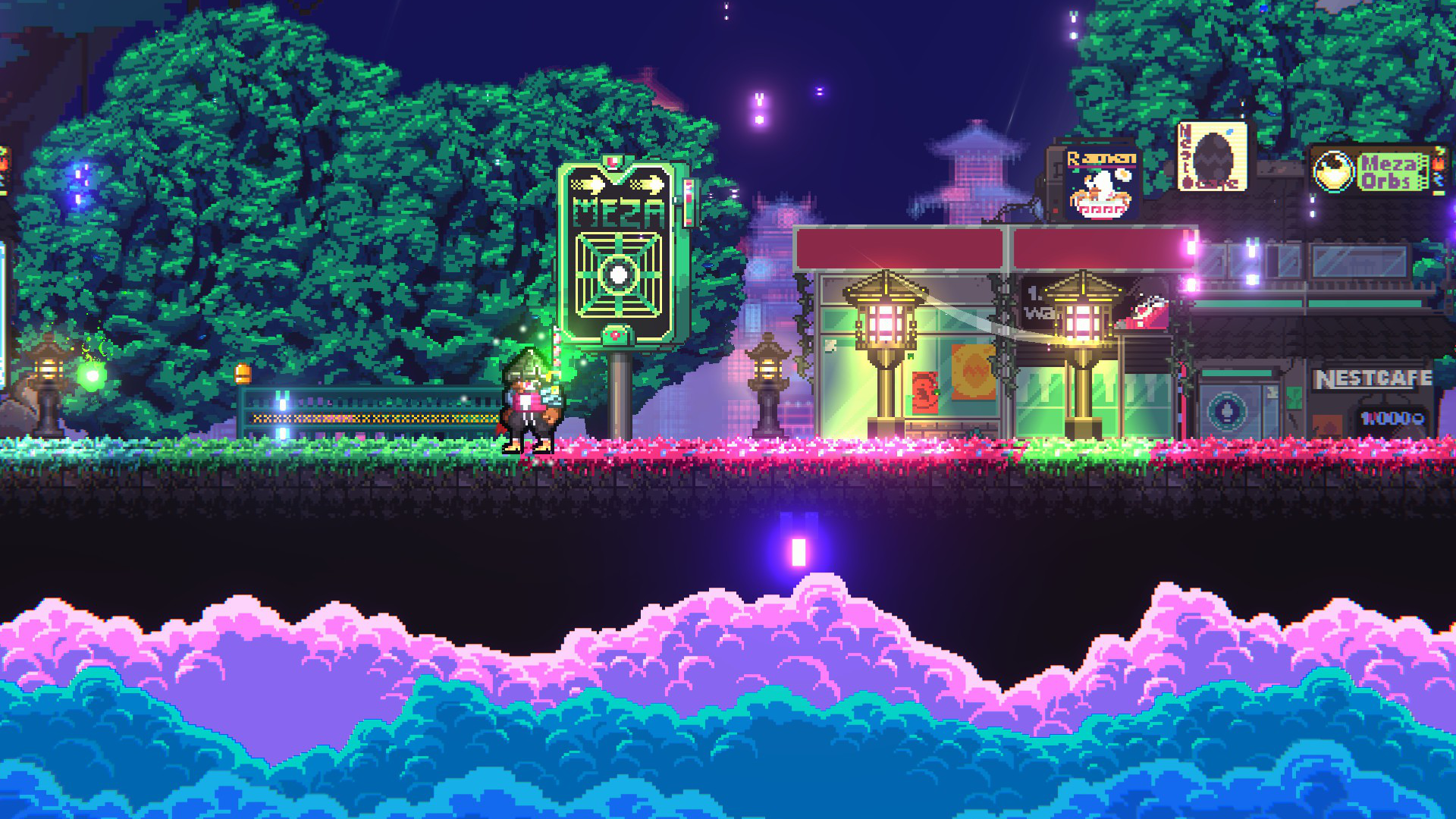
You play as Hidalgo Bladewing, a samurai-styled owl with a demonic talking sword called Mezameta. You embark on a quest to rescue Hidalgo’s companions from Omega Wing, a twisted crow sorcerer who has corrupted the world of Judanest. The cyberpunk-meets-feudal-Japan aesthetic is immediately striking, and the neon pixel art is some of the most visually pleasing work I’ve seen in the genre in a while. Within minutes of booting it up, I was already taking screenshots.
The Visuals Do A Lot Of Heavy Lifting
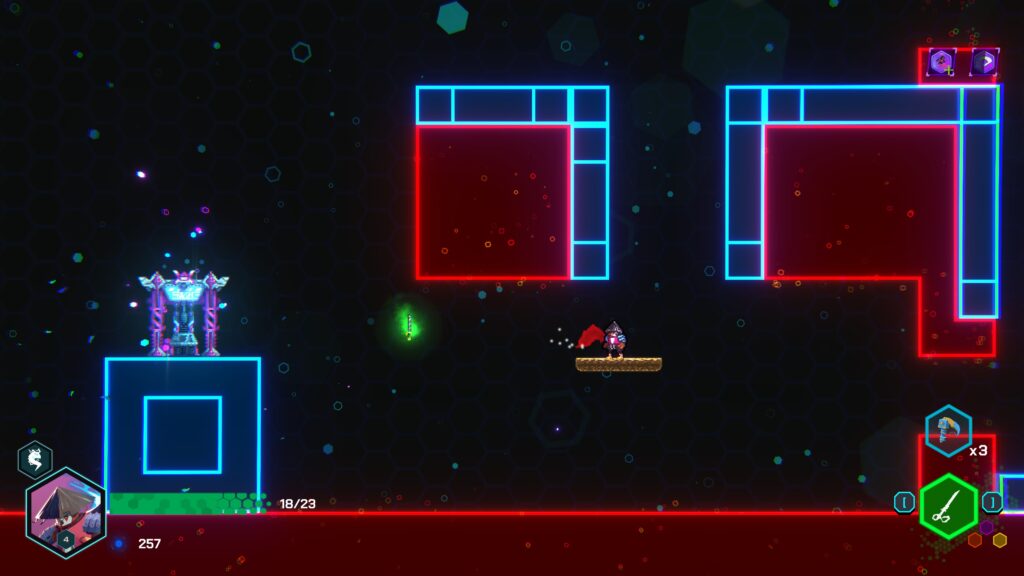
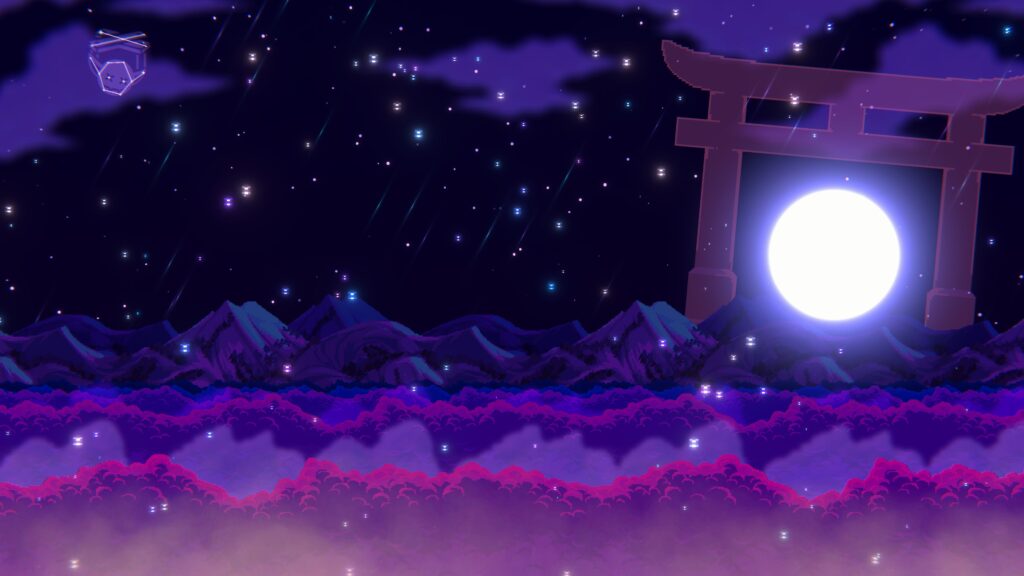
Atomic Owl’s art style is its most immediately striking quality and the thing that kept pulling me back even before the gameplay loop had fully clicked. The pixel art is vibrant and detailed in ways that screenshots don’t entirely capture; the animations and density of the environmental design that make the neon-soaked world of Judanest feel genuinely alive are fluid. The cyberpunk aesthetic isn’t just window dressing; it runs through the whole visual identity of the game. The enemies, the UI, the trial rooms, it all matches the aesthetic without ever feeling like a clash between one style and another.
Now I’ll be upfront here: I have a strong bias toward cyberpunk aesthetics. I love movies like Blade Runner and games like Cyberpunk 2077, so that absolutely influenced how much I enjoy being in this world. But even accounting for that, the art direction is objectively strong work for a debut indie title. While the gameplay can be something you’ve played time and time again with some unique twists, the art style helps make it never feel old.
The Roguelite Mode Is Where I Reside
One of the more thoughtful design choices in Atomic Owl is the option to toggle roguelite mode on or off for your playthrough when you start a new run. I spent most of my time with it on, but death would send you back to the starting hub with points to purchase whatever upgrades you wanted while losing the buffs you obtained throughout the progression so far. It adds a uniquely hard yet fun experience to the game. No Rogue mode also has a hub where you can get upgrades, but when you die in No Rogue mode, you respawn at the start of your current level.
This mode toggle is a genuinely smart design choice. Not everyone wants the roguelite loop, and some players might think that genre has been overdone at this point. Giving players the choice between how they want to experience this game without fragmenting it into two different experiences is a great decision that tends to go unacknowledged but actually matters. I feel like playing through the game in the No Rogue mode soon, as this feels like the type of game I would love to get a 100% completion on, and they have an achievement for beating it in No Rogue mode!
The combat itself is fast, hack-and-slash, and satisfying in the way you typically expect any good 2D action platformer to nail when everything is tuned just right. The weapon variety gives each encounter a unique decision layer that keeps things from feeling repetitive across a run, and the soul absorption system for upgrades means that death rarely feels like a pure punishment, even if you get reset far back in Roguelike mode. You’re always progressing towards something, even when a run goes badly.
The Voice Acting Situation
Here’s the one genuine complaint I had with the game, and it’s worth talking about: the voice acting is very inconsistent in a way that breaks the experience somewhat. The game bounces between fully voiced dialogue and random grunts or ambient sounds every few dialogue boxes, with no obvious pattern for why some lines get voice work, and others don’t. It’s the kind of thing that makes you wonder whether this was an intentional stylistic choice or a production limitation that didn’t quite get resolved before launch. Either way, the whiplash of going from a fully acted conversation to a character making vague sounds mid-scene pulls you out of the world in moments where I would argue the game is otherwise trying to draw you in.
That said, I still had a genuinely good time with the game throughout. The voice acting situation is noticeable, but it’s not the kind of flaw that undermines what the game is doing. It’s more of a “this could have been better” than a “this gets in the way” scenario.
Is It Worth $12.99?
Yes, I believe that Atomic Owl is a comfortable $12.99 purchase when not on sale. Full runs can take around two to four hours to complete, depending on how you approach the game, and the run structure gives it replay value beyond that initial completion. At $12.99, it’s asking for less than most of the games it shares shelf space with, and it delivers more visual and mechanical personality than a lot of them. I’ll be honest once again, though, my enthusiasm for the cyberpunk genre and aesthetic has probably made my internal price ceiling a little higher than it should be. But even stripped of that bias, this is a fun game that didn’t have the gameplay detract from the asking price or my love of the aesthetics.
It’s Monster Theater’s first game. With 92% positive rating on Steam from players who’ve been with it since Kickstarter, it should tell you that the people who know it best think it’s worth their time. Coming in fresh, having just recently heard of the title, I’d agree with them.
Atomic Owl is available now on PC (Steam and GOG) and consoles (PS4, PS5, Xbox One, Xbox Series X|S, Nintendo Switch) for $12.99. A free demo is available on Steam.