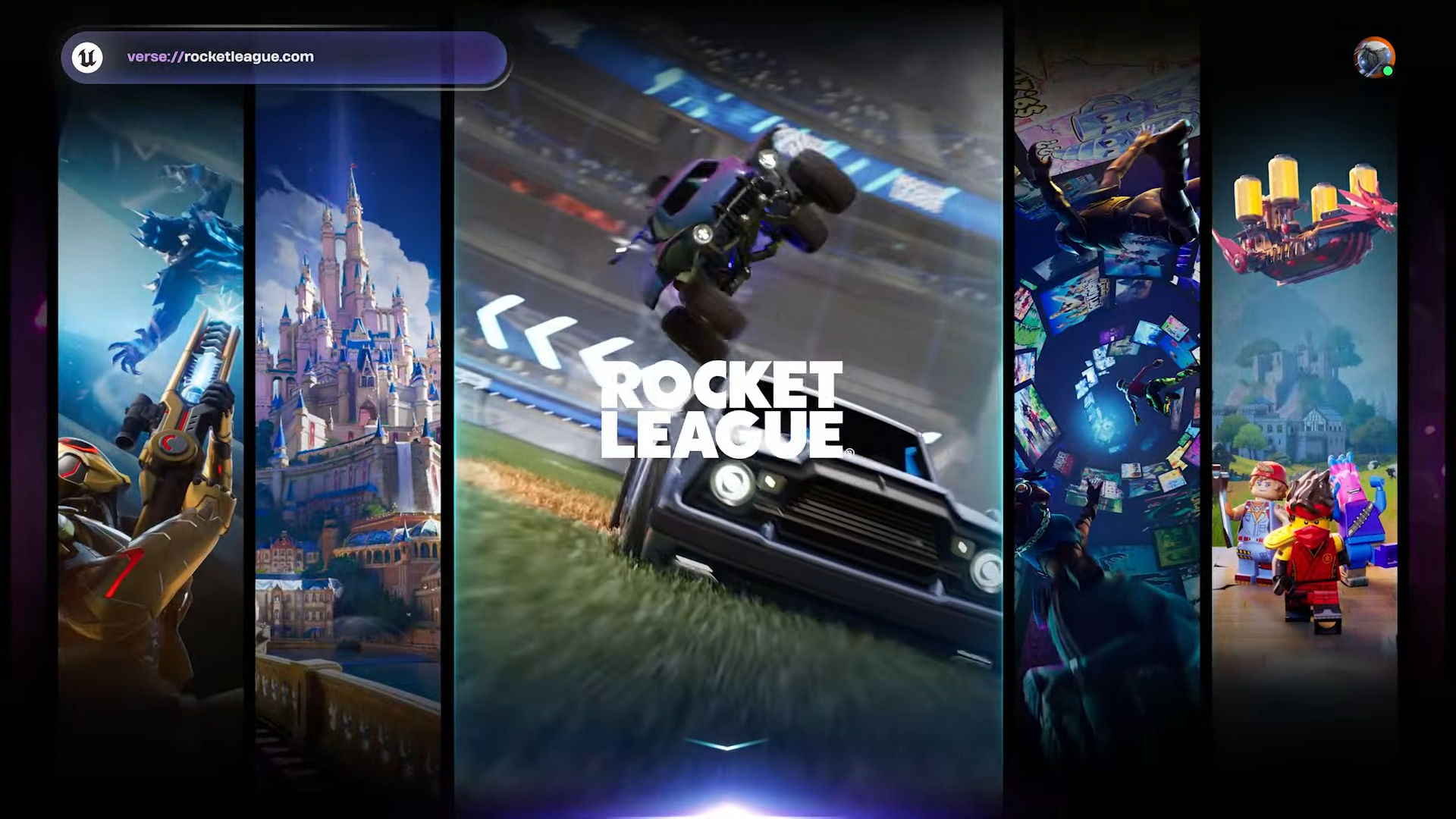
Nobody saw Unreal Engine 6 coming from an esports broadcast. Epic Games didn’t debut the successor to one of the most widely used game engines in the world at GDC, or at a standalone showcase, or even at a Fortnite event. Instead, they slipped a minute-long teaser between the two semi-finals of the Rocket League Championship Series Paris Major on Sunday, giving us the first-ever public glimpse at the Unreal Engine 6 logo and capabilities. That’s probably the most casual way I’ve ever seen Epic Games announce anything, by making it for the Rocket League fandom, and just so happening to forget the part of this being more than just an upgrade to a game.
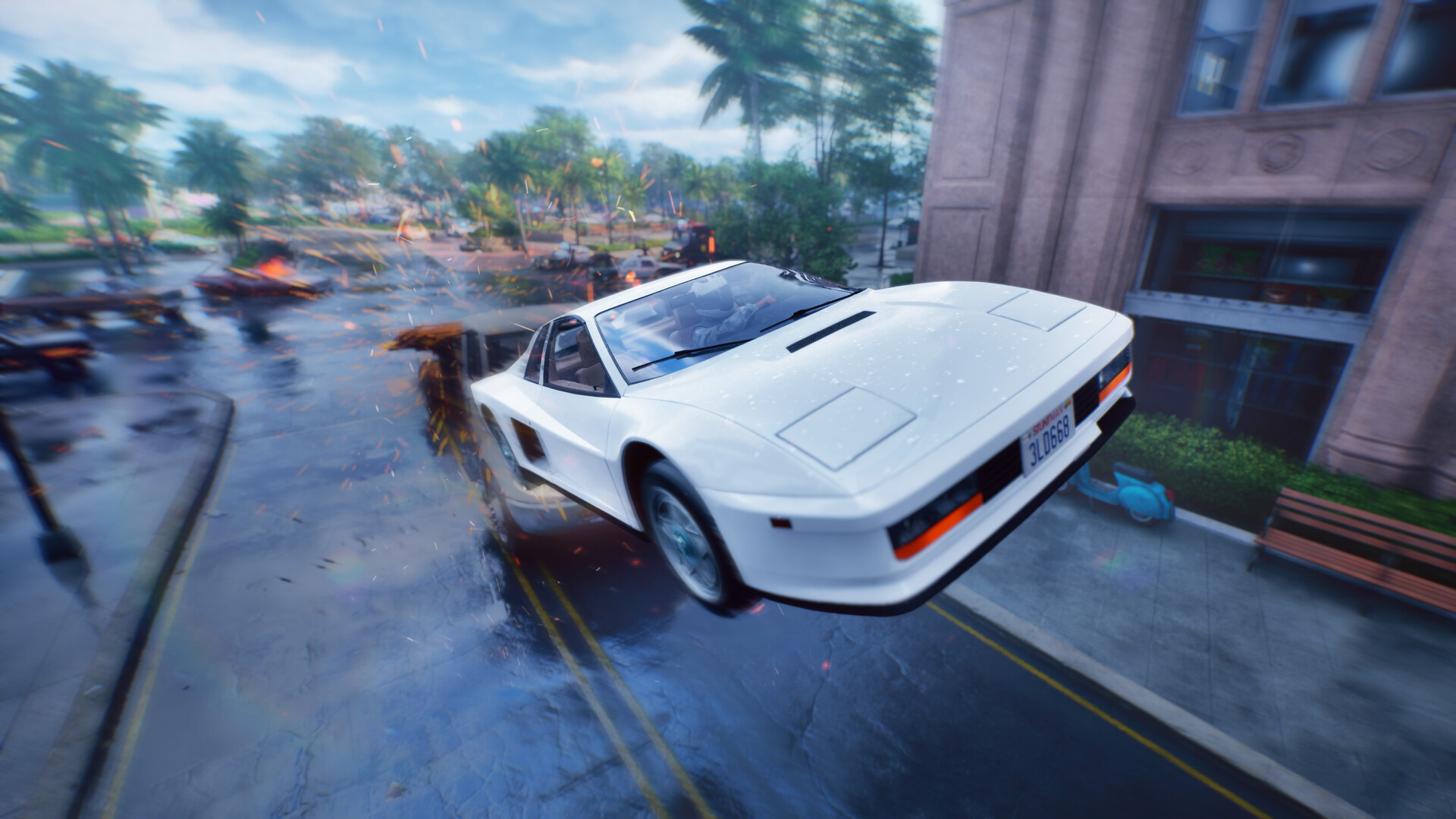
The teaser showed real-time Rocket League footage captured in Unreal Engine 6. We got a glimpse at visually upgraded cars with improved reflections, lighting, and more cinematic presentation. Psyonix framed it as “the next era of Rocket League.” After the short teaser, which can be seen below, nothing else was mentioned. No technical details, no release window, not even a roadmap. Just footage, the logo, and the implication that something big is coming.
The Part That Makes This Important
Rocket League currently runs on Unreal Engine 3. Not UE4, not UE5, but UE3. The same generation of engine that powered games you’ve played on the Xbox 360 and PS3. Alice: Madness Returns, Deadpool, Tony Hawk’s Pro Skater HD, and Transformers: Fall of Cybertron are all examples of games made on Unreal Engine 3; that’s just how old the engine is. The game launched in 2015 and has been running on a two-decade-old engine ever since, which is an increasingly remarkable technical footnote for one of the most-played games in the world. The Rocket League community has been expecting a UE5 upgrade for years, with confirmation of a Unreal Engine 5 launch originally being seen all the way back in 2021 under the name Rocket League “Next”.
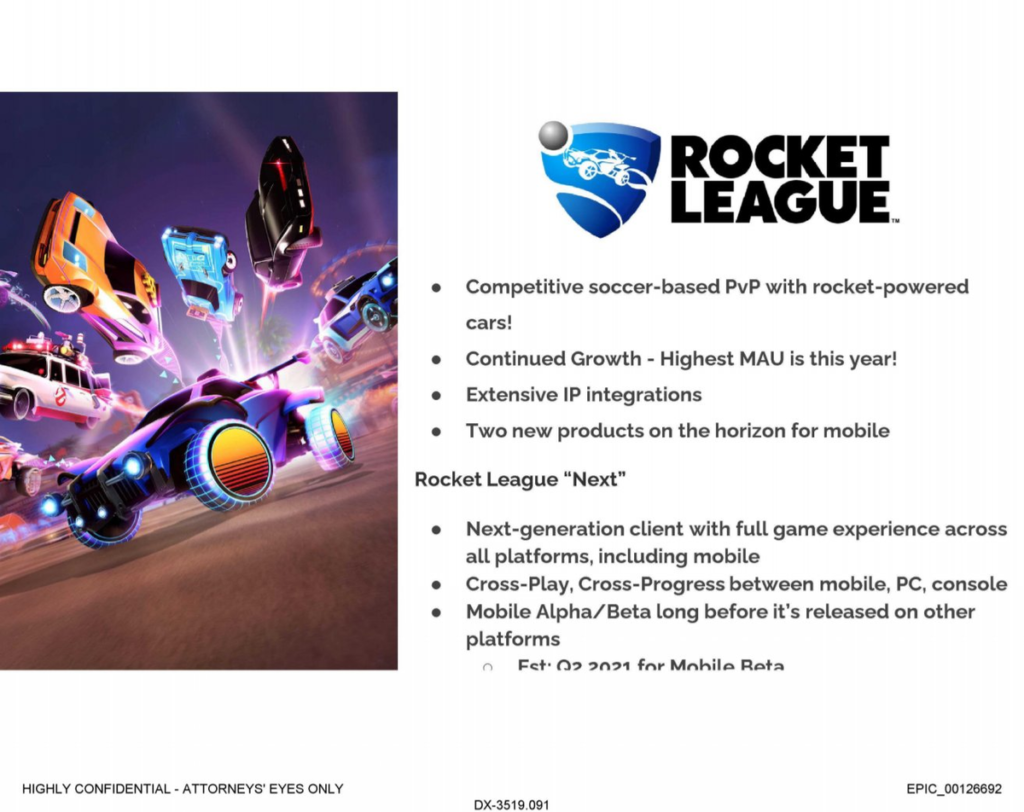
Rocket League is not just getting an engine upgrade but instead is leaping across engine generations entirely, allowing it to jump from Unreal Engine 3 to Unreal Engine 6. To put this in perspective, this is essentially the biggest engine upgrade ever seen. Fortnite has transitioned smoothly between Unreal Engine 4 and UE5 and eventually UE6, but never have we seen a live service title jump from a 2006 engine to an engine that most likely won’t even be out until 2028. For context: going from UE3 to UE5 would already have been a massive rebuild for any studio. Going to UE6 means rebuilding on top of technology that doesn’t exist in a final form yet.
The “Fortniteification” of Unreal Engine
As of right now, we don’t officially know much about what is possible with Unreal Engine 6; it looks like the main goal as of now is Fortniteifying the engine. In an interview with Lex Fridman, Tim Sweeney shared some details about the next Unreal Engine Version. The most interesting part about this is how he speaks about being able to ship a game both inside and outside of Fortnite:
“The ultimate version of this enables a game developer to build a game of any sort, either or simultaneously both ship it into Fortnite as a Fortnite island that players can go into, bring their Fortnite items and cosmetics, and interoperate properly, or ship as a standalone game, or both. And if they ship as a standalone game, they shouldn’t be missing out on the open economy either, because in this time frame, we’ll have opened up the Fortnite item economy to third-party developers.” – Tim Sweeney
Essentially what is being said here is that Fortnite will soon not just be a game where you play Battle Royale, Rock Band, or random Roblox-style minigames, but instead a game launcher similar to that of things we’ve already started to experience in recent times like the Call of Duty HQ app, where there’s a chance if you wanted to play Fall Guys, you’d launch it through Fortnite, which would then launch the Fall Guys executable file, or something similar.
I’m still iffy on this statement, because I love games being entities on their own, and I worry about how this Fortnite Metaverse system would cause changes to the gaming landscape. I already rant to my friends about missing when developers did unique tricks to get fully functional mirrors, such as a camera faking a mirror or a room being fully cloned, so seeing as a future could be developers throwing ray tracing, path tracing, nanite and all this other stuff into a game and then throwing it into Fortnite’s discovery browser to even play it makes me wonder if this is honestly a good change for the landscape.
Regardless of how this all plays out, it’s nice to see that Rocket League is still getting some love and a massive Unreal Engine upgrade, so here’s to hoping the physics don’t get absolutely botched with the Unreal Engine 6 release.