Locked cosmetics are nothing new in gaming; we’ve seen it ever since the horse armor days, that if you offer exclusive goodies to people who purchase extra things, people will purchase those things. That principle hasn’t changed in twenty years; however, what has changed is the scale, the creativity, and the sheer number of vectors a single game can now use to fragment its cosmetic content across.
It used to be simple. Play the special edition to get the exclusive skin. Preorder before launch, get a bonus weapon. These were transactions that most people understood and could make an informed choice about. You knew what you were and weren’t getting before you spent your money. That clarity is increasingly hard to find in modern releases, and the gap between what you think you’re buying and what you’re actually buying has widened enough to warrant a real conversation.
How We Got Here
The expansion of locked cosmetic methods didn’t happen overnight; instead, it crept in gradually as each new approach proved it worked. It was simplistic preorder bonuses and special editions, then online passes, then brand partnerships, then twitch drops, then hardware exclusives, the list goes on and on. Each addition to the list was its own moment where people seemed fine with it existing until it cumulatively created a landscape where a single game launching today that is a mainly single-player experience can have its visual content scattered across a dozen different acquisition methods before anyone has even gotten a chance to play for the first time.
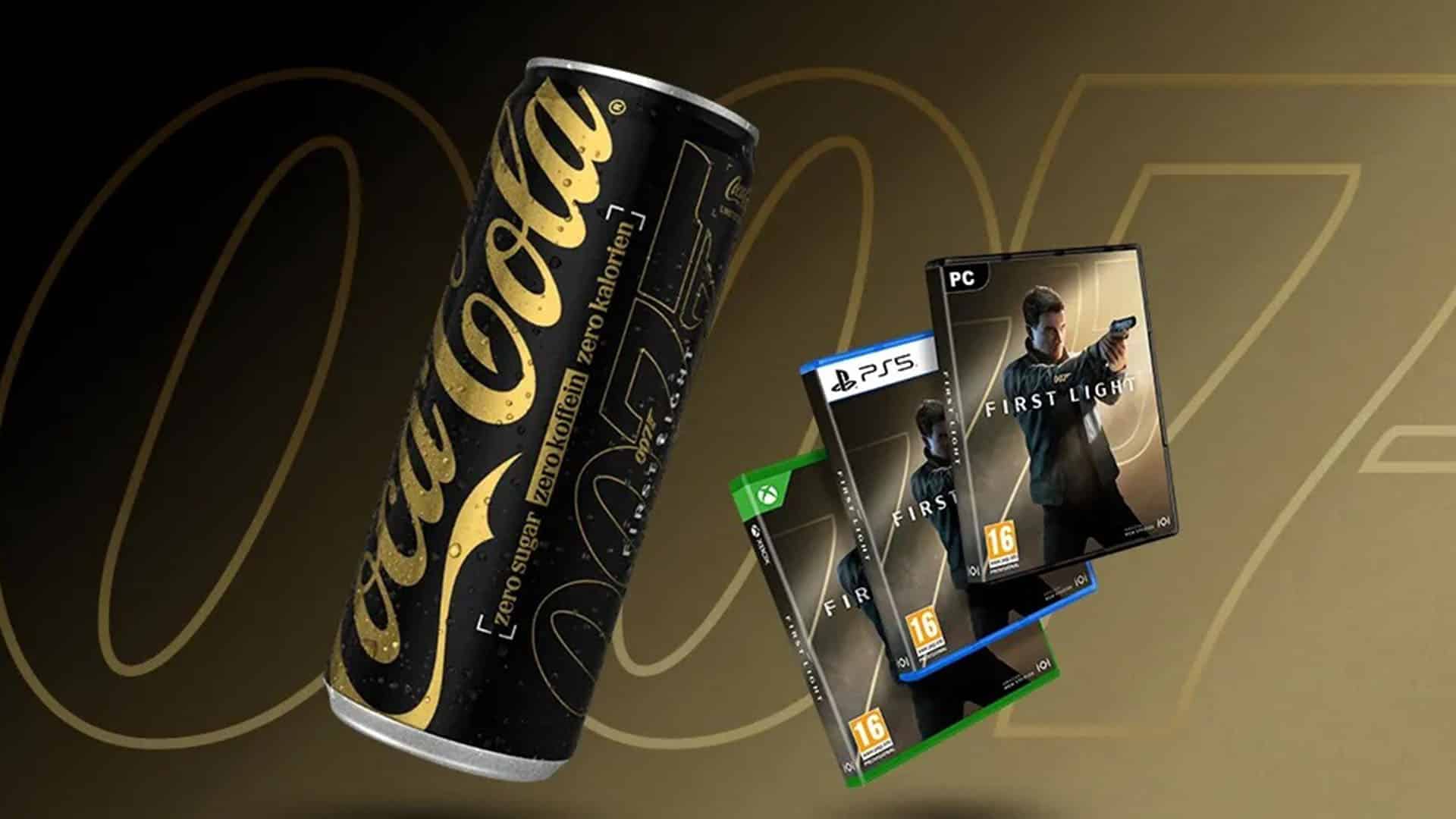
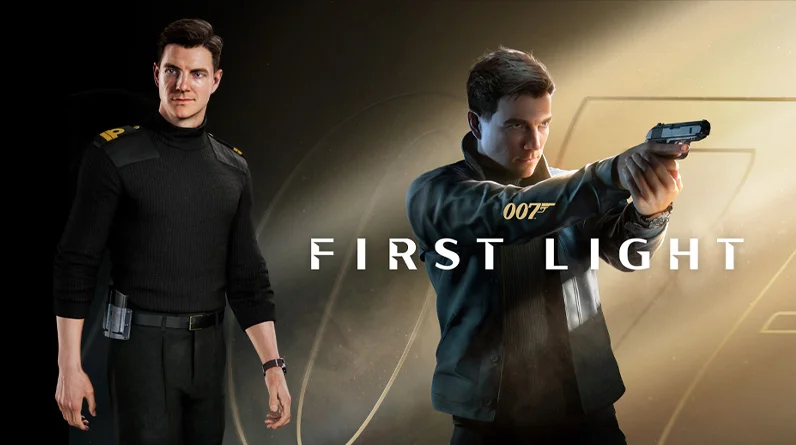
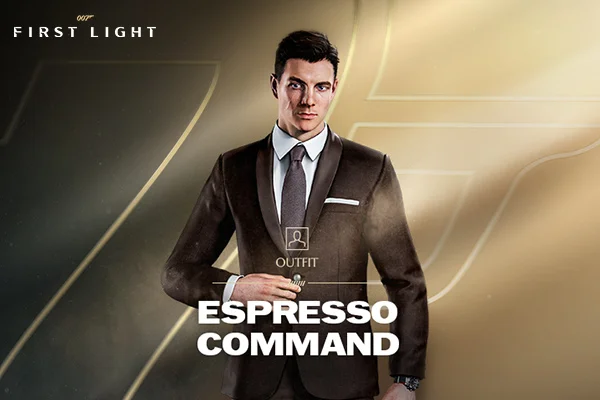
Take 007 First Light, for example, which launched earlier this week. It’s a great game that we plan to review here on Lagback soon, but before you even start playing, outfits are locked behind creating a third-party account, purchasing a specific edition, buying physical hardware from specific manufacturers, watching streams on both TikTok and Twitch, and most baffling of all, participating in a Coca-Cola promotion that’s only available in four European countries. Five outfits in a $70 game are simply inaccessible to anyone outside of Belgium, France, Norway, and Sweden unless you purchase a code online or mod your game files. It’s not something that’s locked behind a premium tier, but instead a set of cosmetics that are just gone unless IOI decides to release them as a DLC pack years down the line. That can’t even be seen as a feature of the game; it’s instead a marketing arrangement that uses game content as a currency to get people to purchase a product in order to get a bonus in a game they enjoy.
As I’m typing this, another 007 First Light exclusive outfit has just been released, being the Ops Radiant Outfit, which is only earnable via an Alienware Arena Giveaway that, as of the time of writing, only has 5,000 keys.
LEGO Batman: Legacy of the Dark Knight, which also launched this week, ties Batcave props to Twitch drops and suits to purchasing specific physical LEGO sets or HBO Max subscriptions. The game’s own cosmetic collection in the Batcave shows you items you can’t get without buying toys separately. Those items don’t affect the completion percentage or achievements; the developers were at least thoughtful enough to ensure that, but they’re still visible on a screen in a game you paid full price for, dangling behind a paywall most people won’t notice until after they’ve already spent their money.
The Part That’s Always Been Fine
It’s worth being honest here about where the line actually should be, rather than just complaining about this topic broadly. Collector’s editions have always included exclusive content or statues, and that’s a fair exchange. You pay more, you get more, and the transaction is very transparent. Preorder bonuses are annoying in principle, but at least they’re disclosed at the point of purchase. If a developer wants to reward people who financially supported the game early, that’s entirely fine by me, even if not everyone agrees with it.
The same logic applies, more or less, to things like special edition physical releases. If you buy a $200 Collector’s Edition, you are clearly paying for something extra, and you know it. The Obsidian Gold Suit in 007 First Light being locked to the $200 edition is frustrating if you want it and don’t want to spend $200, but it’s at least legible. You know the rule. You can decide if it’s worth it. The issue has never really been about exclusive content existing, but instead it’s about the rules for what’s exclusive, why, and how it got so complicated that we didn’t even know about a Coca-Cola collaboration until research began for this article.
Where It Stops Being Fine
Regional exclusives are the hardest to defend. A cosmetic that exists in the game’s files but is only obtainable to players in a specific country through a brand deal that those players might not even encounter is not really a cosmetic that’s available to most people who bought the game. It’s content that was developed, budgeted for, and included in the game’s world, but distributed as a marketing asset for a drink company’s European promotions only.
Twitch Drops fall into a grayer area, I feel. The barrier to entry is usually low, with you just needing to watch a stream for an hour or so, but it still requires owning a Twitch account, being available to watch during the promotional window, linking accounts to Twitch, making sure you’re watching the proper stream with drops enabled, and actively being available to claim the drop. For players who don’t use Twitch, who missed the window, or who simply didn’t know the Drop was available, those cosmetics may as well not exist. The same applies to hardware exclusives: cosmetics locked behind owning a specific GPU brand or peripheral manufacturer are effectively invisible to anyone who doesn’t happen to own that hardware and know to look in the right menu.
What Would Actually Help
The solution isn’t to stop doing brand partnerships or making special editions. I feel that’s never going away. Instead, the conversation worth having is about what happens to this content after the promotional window closes. Brand partnership cosmetics, regional exclusives, and hardware tie-in rewards have a habit of simply ceasing to exist as obtainable items once the deal expires, not because the content was removed from the game, but because the acquisition method dried up and nobody bothered to create an alternative path. The cosmetic screen keeps showing you things you can’t have. The method to get them just no longer exists.
A reasonable middle ground that some developers have done before is releasing time-limited or partnership-locked cosmetics through other means at a later date; whether that’s an in-game purchase, a seasonal re-release, or simply making them earnable through gameplay after the promotional window has closed. It doesn’t need to be immediate, and it doesn’t need to be free. It just needs to exist, so that a player picking up the game a year after launch isn’t permanently locked out of content that was created for the game they bought.
The 007 First Light situation also raised a concern that thankfully didn’t fully materialize. Before launch, it was reported that the Coca-Cola promotion would include exclusive in-game missions, not just cosmetics, but entire playable objectives locked behind getting the drink in those four European countries. It’s now looking like those missions either didn’t make it into the final promotion or were scaled back to cosmetics only, but the fact that it was even floated is worth sitting with. Missions locked behind a regional soft drink deal would have been a significantly more serious version of this problem, gameplay content, not cosmetic content, available only to people who live in the right place and buy the right product. Cosmetics, we can debate. Gameplay content as a brand deal exclusive is a different and much harder conversation.
The gaming industry has always found a way to monetize goodwill, and that’s not going to change. But the least that can be reasonably asked is that content made for a game eventually becomes available to all players of that game, even if it takes time, even if it costs something, even if it requires waiting for the partnership deal to run its course. Letting cosmetics die with expired promotions, regional campaigns, and discontinued hardware programs isn’t a business model. It’s just content being taken away from the people who bought the game it was made for.