If someone handed you a controller in 1999 and told you to play a game that felt like a sleepover that got out of hand inside of a goddess’s nightmare, you’d probably wonder what type of friends you have, but you’d also probably have a frame of reference for what Mama’s Sleeping Angels is trying to do. It sits in a very specific cultural and aesthetic space that is somewhere between the hypnotic, logic-free wandering weirdness of LSD Dream Emulator and the co-op, item collection chaos of Lethal Company, dipped in the chunky, slightly off-kilter visual language of Y2K. Solo developer Itamu, published through Oro Interactive, built this alone, and the result is one of the more distinctive games I’ve played this year.
The setup is simple enough. You and up to three friends fall asleep at a sleepover and wake up trapped inside the dreamworld of Mama, an eternally hungry goddess who won’t let you leave until she’s satisfied. To keep her happy and work towards freeing your imaginary friends, you explore procedurally generated dreamscapes, collect cursed items, and attempt to fight off the monsters inhabiting her dreams with whatever weapons you can find, with some monsters being influenced by the cursed items you uncover. You have roughly 15 minutes per run to bring enough curses back to feed Mama before the clock runs out. It’s Lethal Company if Lethal Company decided everything should be scary and also look like a Windows 98 screensaver or early MySpace profiles.
The Aesthetics Do A Lot For This Game
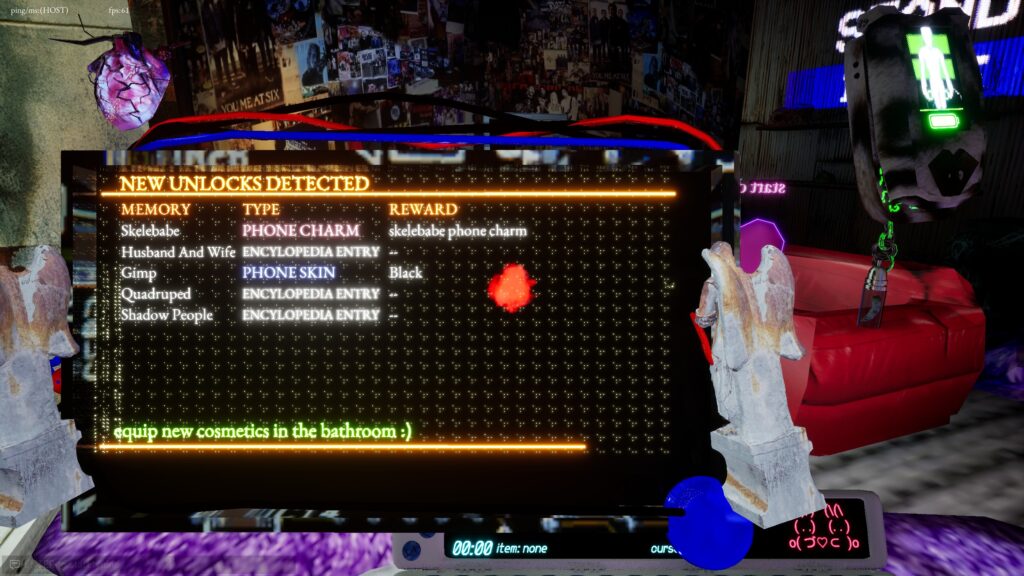
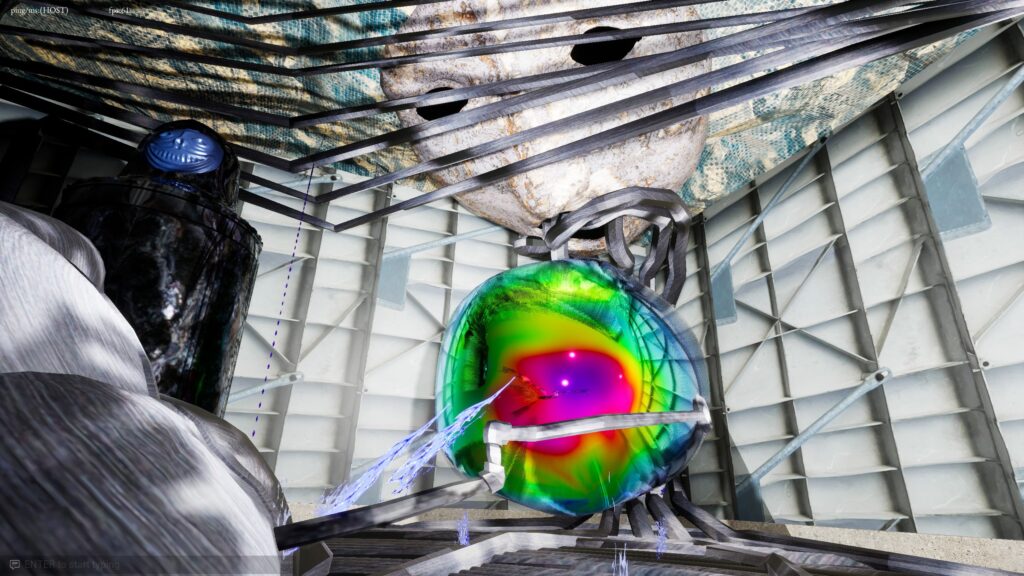
The Y2K visual identity here is genuine rather than being a surface-level thought. The chunky geometry, the washed-out dreamlike palette, the way environments feel slightly off, being both too empty and too cluttered, is pulled off with real intention. If you have any memory or fascination with the visual culture of the early internet era, while it isn’t a Frutiger Aero aesthetic, Mama’s Sleeping Angels will feel like slipping into something familiar that’s been quietly left to rot in a goddess’s subconscious. It’s unsettling in the right way, with the creepy atmosphere not having any real jump scares or overt horror, but contemporary unease that pulls me in more than it scares me away.
The map themes add variety to the atmosphere in meaningful ways. Choosing the Suburbs theme, for example, gives you a recognizably domestic framework distorted by dream logic. You’ll have houses attached to roads and then a playground with tons of floating slides and ladders. There will be electrical poles running throughout the place, all interconnected and spread around in a way that suits the setting, but you can tell it was mashed up in a dreamlike trance.
How It Actually Plays
Each run puts you in a dreamscape with a clock and a quota. Find cursed items scattered across the map, deal with or avoid whatever’s haunting the space, and make it back before Mama gets impatient. Firearms and powerful masks you find along the way give you options for handling threats, even if some firearms I felt shot as if I was in a dream, which I guess makes sense… Masks in particular can permanently alter your abilities, allowing you to have flies surrounding cursed objects, the addition of a double jump, and more.
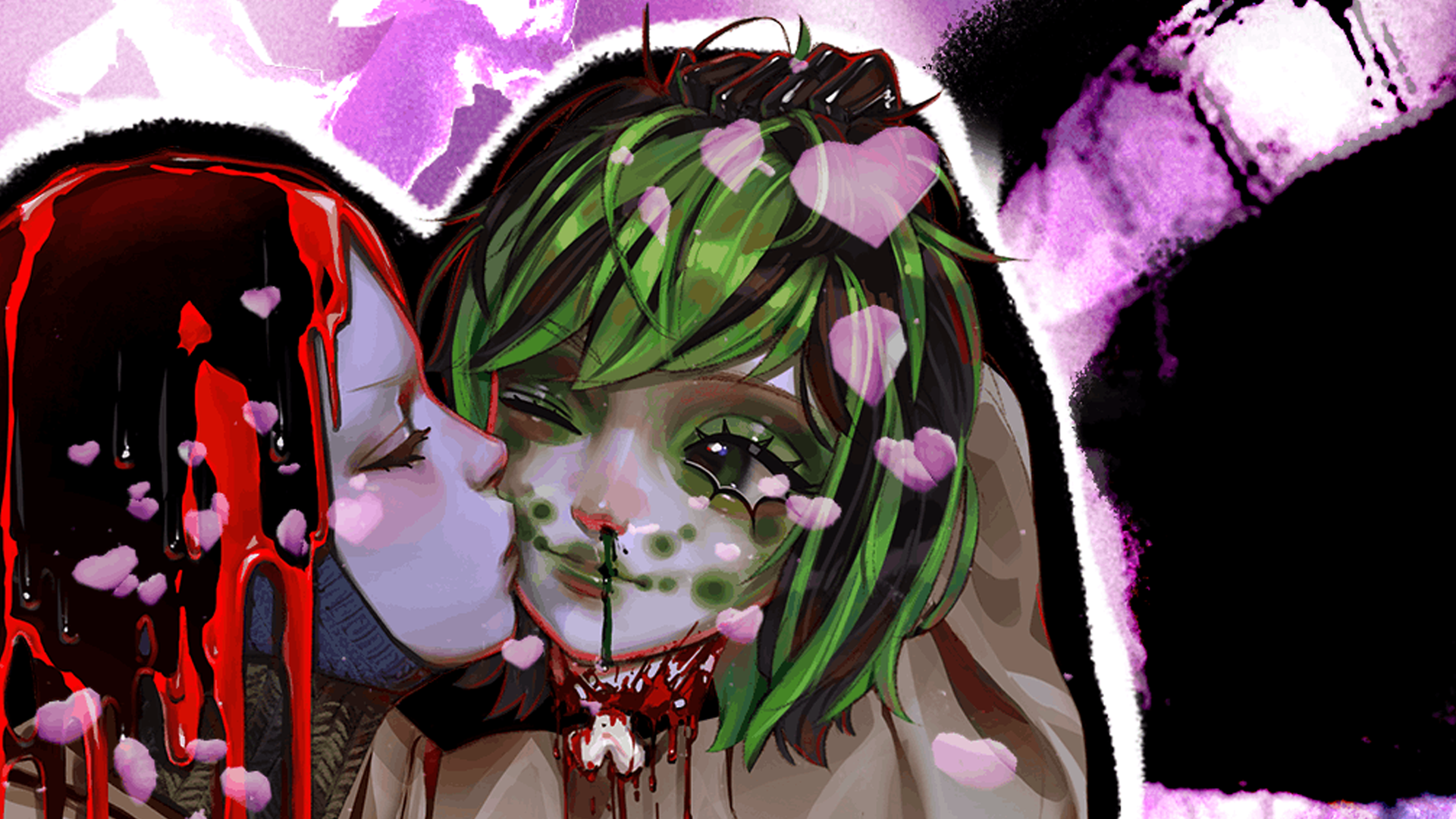
The co-op interactions are some of the best details in the game. If a teammate is hurt, you can kiss them to heal them by just walking up to them and pressing E on the keyboard. If a teammate goes down entirely, you can quite literally decapitate them and send them back to the spawn point for them to respawn. These are mechanics that exist in other games already, but get done in a way that is unique to Mama’s Sleeping Angels. It’s the type of logic you’d expect from this type of game, but not the type of logic you’d probably see advertised right away.
Solo play is more than viable, though. The game feels balanced for one player in a way that co-op games frequently don’t bother to deal with. You’re not fighting against a quota designed for four people or feeling the absence of teammates as a handicap. The majority of my playtime I have on the game has been completely solo, and I didn’t have a single moment where I felt like I was hindered by being on my own.
What Keeps It Interesting
The 15-minute timer is tight enough to create genuine tension without ever feeling unfair. You’re making decisions about risk the entire time you’re playing. Do you push deeper into the map for a higher-value curse that might unlock a new phone charm, or do you play it safe near the exit? Do you engage with the creature you just spotted or route around it? Each run is short enough that a bad one doesn’t sting badly, but involved enough that a good one feels earned. The procedural generation does a great job at keeping the layout fresh, and the map theme selection gives you agency over what flavor of dreamscape you want to step into.
The mystery of Mama’s world also gives the game a longer pull than one might expect. There’s lore to uncover about why she’s kept you here, a computer room in the dreamworld where you can read entries on the curses and discoveries you’ve made, and a narrative thread running underneath all the chaos that rewards players who pay attention. It gives the game a sense of depth that pure score-chasing roguelites sometimes tend to lack.
Mama’s Sleeping Angels is the kind of game that makes you feel like you’re exactly where you’re supposed to be at 3 in the morning, and that’s not something a lot of games manage, especially for a horror-adjacent game. At ten dollars, it’s one of the most distinct things you can buy right now, and if the overlap of LSD Dream Emulator, Lethal Company, and Y2K nostalgia is something your brain was built for, you should already have the store page open. One person made this. That alone is worth something, but the fact that it keeps pulling me back, run after run, is what makes it worth telling you about.